

Wiltshire residents are being urged to stay alert following a warning from Trading Standards about a disturbing new type of phone scam that uses artificial intelligence to clone victims’ voices.
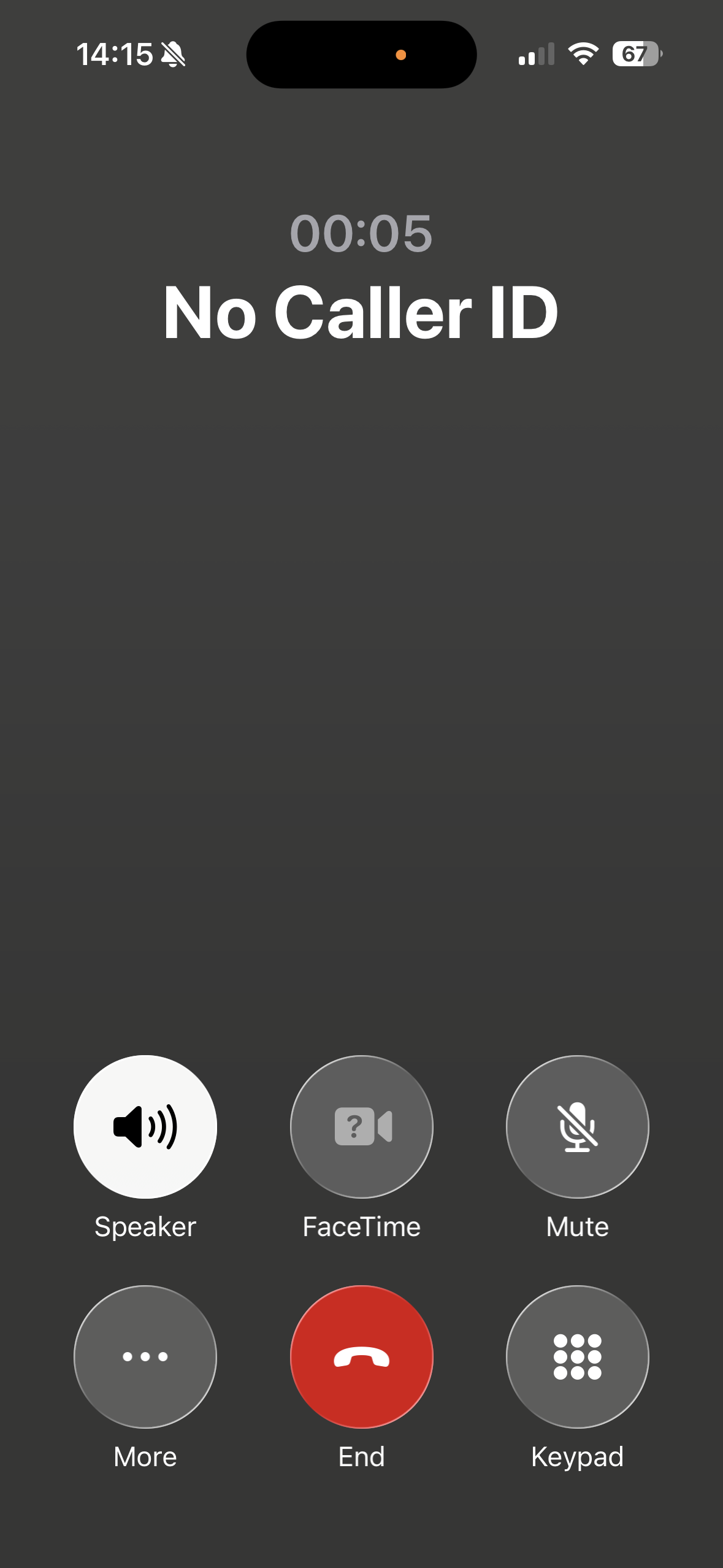 The emerging scam, which has been reported across the UK, involves criminals using AI technology to replicate a person’s voice and then use it to authorise payments, including unauthorised direct debits - without the victim’s knowledge.
According to National Trading Standards, the scam often begins with what appears to be a harmless “lifestyle survey” phone call. During the call, fraudsters gather personal, health and financial information, as well as voice samples. This data is then used to create an AI-generated clone of the victim’s voice.
The cloned voice can later be used to falsely “confirm” payments over the phone, convincing legitimate businesses and financial systems that the authorisation is genuine. In many cases, victims only realise money has been taken weeks or even months later.
New figures released by Trading Standards highlight the scale of the problem. On average, UK adults now receive seven scam calls or texts each month, with one in five people targeted most days. One in ten report being contacted by scammers every single day.
In the last six months alone, National Trading Standards says it has blocked nearly 21 million scam calls and shut down more than 2,000 phone numbers.
Louise Baxter, head of the National Trading Standards Scams Team, said the use of voice cloning marked a worrying escalation.
“This is a disturbing mix of old and new - traditional scams boosted by AI,” she said. “Criminals are using voice cloning to trick real systems into processing fake payments. We urge everyone to talk to relatives about scam calls, check bank statements, and report anything suspicious.”
John Herriman, chief executive of the Chartered Trading Standards Institute, added that the technology made scams harder to spot, particularly for older and more vulnerable residents.
“Voice cloning takes fraud to a sinister new level,” he said. “Staying alert and informed is vital, and we must do everything we can to protect those most at risk.”
One recent investigation, known as Operation Derdap, uncovered a large-scale loft insulation scam that targeted elderly homeowners. Fraudsters used fake British-accent callers to cold-call residents about supposed government-backed insulation schemes, followed by high-pressure home visits and further demands for money.
Trading Standards has since blocked millions of calls linked to the operation and terminated the telecoms provider involved.
Residents are advised to:
-
Be cautious of unexpected survey or sales calls
-
Never share personal or banking details over the phone
-
Regularly check bank statements for unfamiliar payments
-
Report suspicious calls to Action Fraud or Trading Standards
-
Speak to older friends and relatives, as awareness can prevent financial loss
Anyone concerned about a possible scam can find advice and reporting information via Action Fraud or Wiltshire Trading Standards.
Want to know what’s on in Calne? Visit our local events page for listings and to find out how to add your own events for free. Follow us on Facebook, Twitter and Instagram to keep up with all the latest news. Have you got a story for us? Email editor@calnenews.com or contact us here.